
Why Clothes Get Musty in Queensland Homes (And How to Stop It)
If your clothes develop that unmistakable musty, damp smell — you are not alone. Queensland’s warm climate, high humidity, seasonal rain, and poorly ventilated wardrobes create the perfect recipe for mould and stale odours.
Here’s why it happens, and the most effective ways to prevent it.
1. High Humidity (The #1 Cause)

Queensland’s humidity often sits between 65–85%, even indoors. Once humidity goes above 55%, mould spores activate, fabrics absorb moisture, and smells develop quickly.
Clothing fibres (especially cotton, linen, bamboo and wool) naturally draw in moisture from the air. In high humidity, they stay damp long enough for mould to begin growing.
That musty smell = early-stage mould activity.
2. Closed Wardrobes Trap Moisture
Wardrobe spaces in QLD are usually:
dark
poorly ventilated
full of tightly packed clothing
sitting against warm exterior walls
This creates a small micro-climate where humidity stays trapped — even when the rest of the house feels dry.
If the wardrobe door stays closed, moisture has no way to escape.
3. Sweat & Body Oils Feed Mould Spores
Even “clean” clothes often have:
small amounts of sweat
skin oils
deodorant residue
In humid conditions, these organic materials feed mould spores.
That’s why gym gear, work clothing, bras, and jeans get mustier faster.
4. Damp Weather + Indoor Drying
During rainy periods, many QLD homes dry clothes indoors. This releases litres of moisture into the air.
When the humidity rises inside your home:
wardrobes absorb that moisture
clothes inside the wardrobe start to smell
mould forms on leather belts, bags, and shoes
Even drying clothes near a bedroom or walk-in robe can raise humidity enough to cause mustiness.
5. Airflow Is Too Low (Air Gets “Stale”)
Wardrobes rarely have natural airflow.
Still air = high humidity = perfect mould conditions.
If you live in a modern QLD home, energy-efficient insulation can actually trap more moisture inside the building.
How to Stop Clothes Getting Musty in Queensland
Below are the solutions that actually work — backed by building moisture science and practical experience.
1. Reduce Humidity to Below 55%
This is the golden rule.
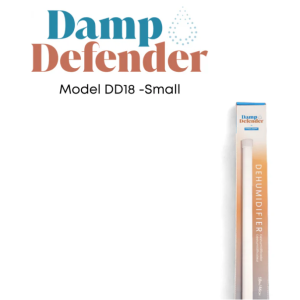
The easiest way to do this is with a Damp Defender that sits inside the wardrobe at the bottom. Simple plugin and forget ! 4 sizes available for a range of applications.
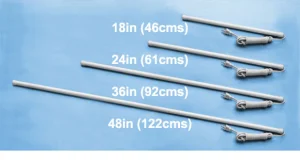

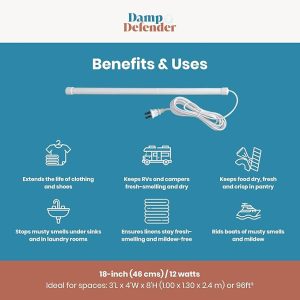
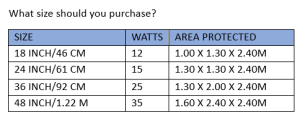
How a Dry Rod aka Damp Defender works:
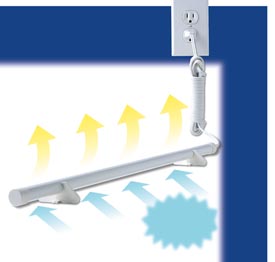
The Storage Dry Rod warms, dries and circulates air in the confined spaces through a continuous process. As the air is warmed by the Dry Rod, it expands. The expanded air causes pressure inside the storage space to be slightly higher than the air pressure outside the enclosure. This pressure differential pushes stale air out of the enclosed area and fresh clean air seeps in to replace the stale air. Keeping your stored valuables protected from mould, mildew, rust and rot. The enclosed area doesn’t need to be sealed, vents at top and bottom of storage area work well.
4. Absorbers Are OK — But Limited
Moisture absorbers can help in tiny spaces but cannot keep humidity under control during Queensland’s wet season or summer.
They’re okay as a backup, but a Damp Defender is the only reliable long-term solution.
Quick Checklist for QLD Homes
✔ Keep wardrobe humidity below 55%
✔ Pop a Damp Defender into your space
✔ Run a dehumidifier during wet weather
✔ Ensure clothes are 100% dry
✔ Consider a HEPA purifier to reduce airborne mould spores
 PH 1300 353 043 www.dampsolutions.com.au or email us info@dampsolutions.com.au